


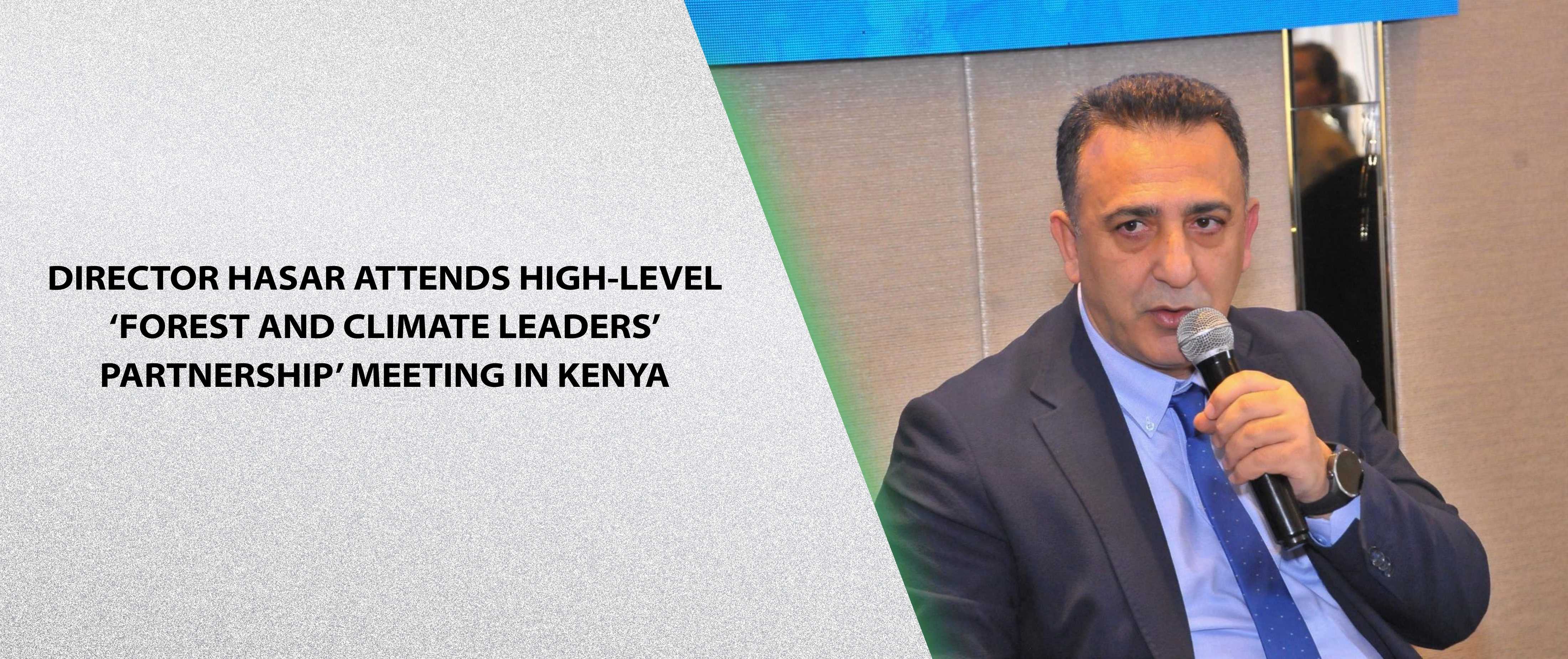
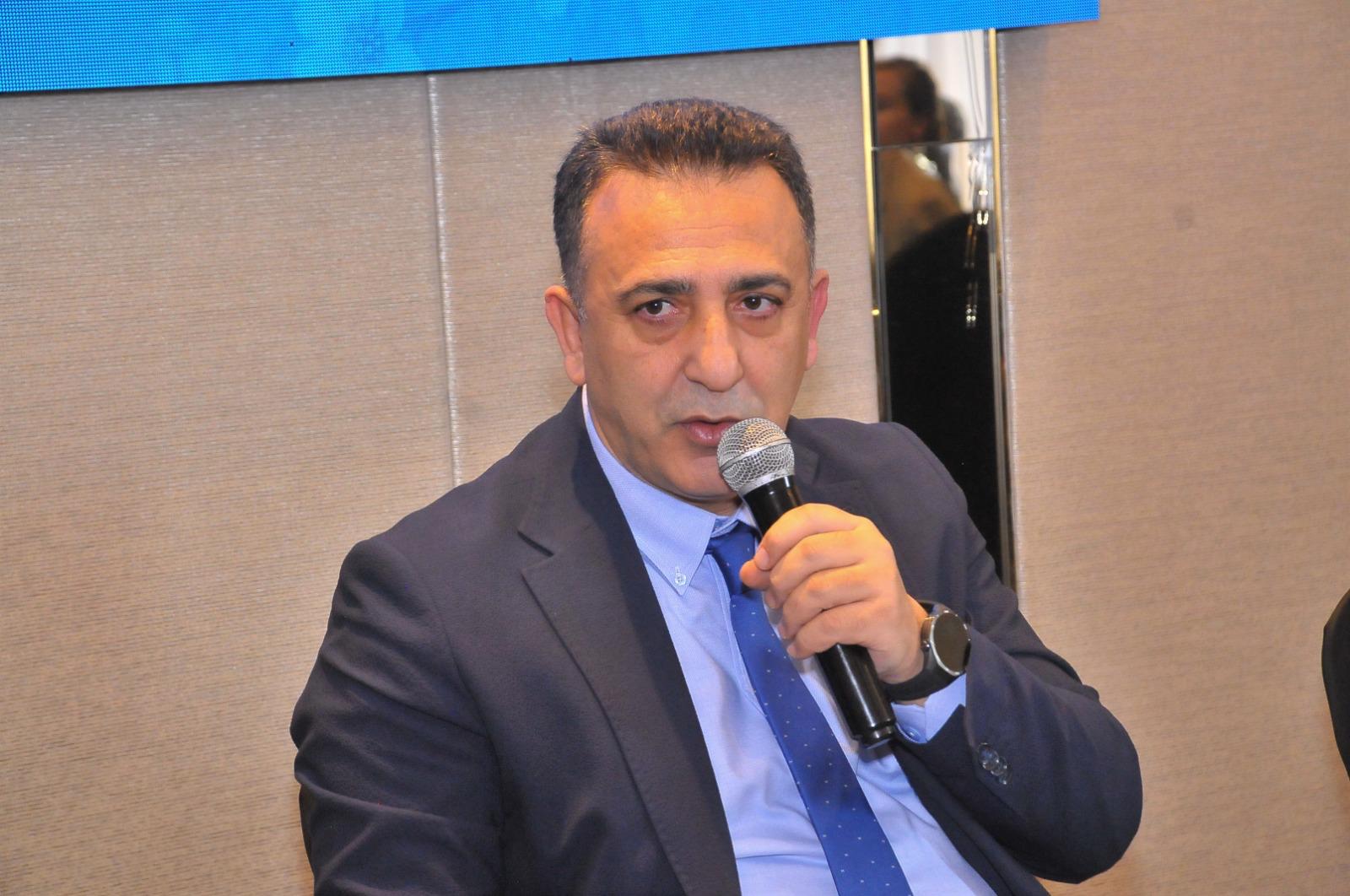
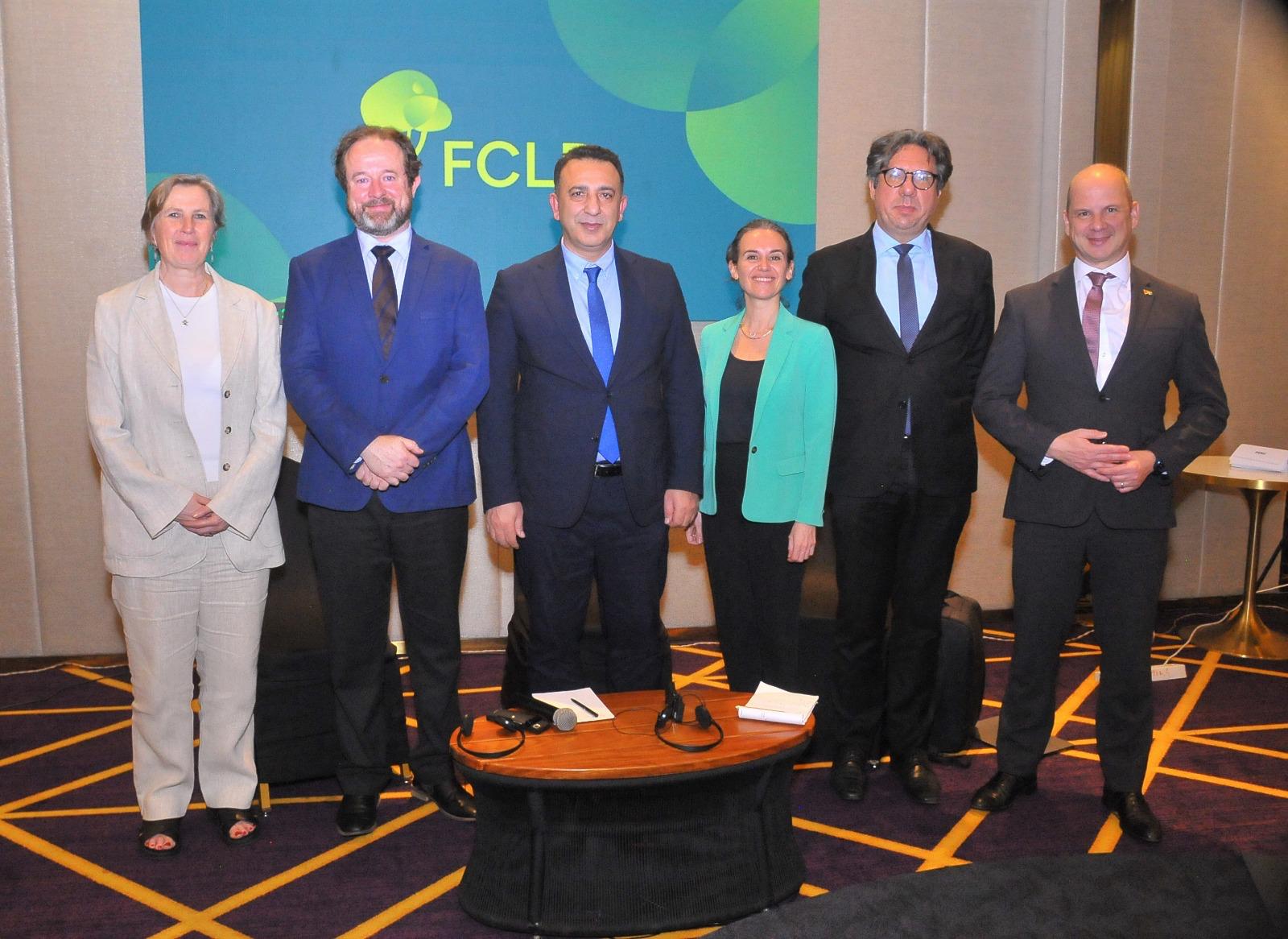
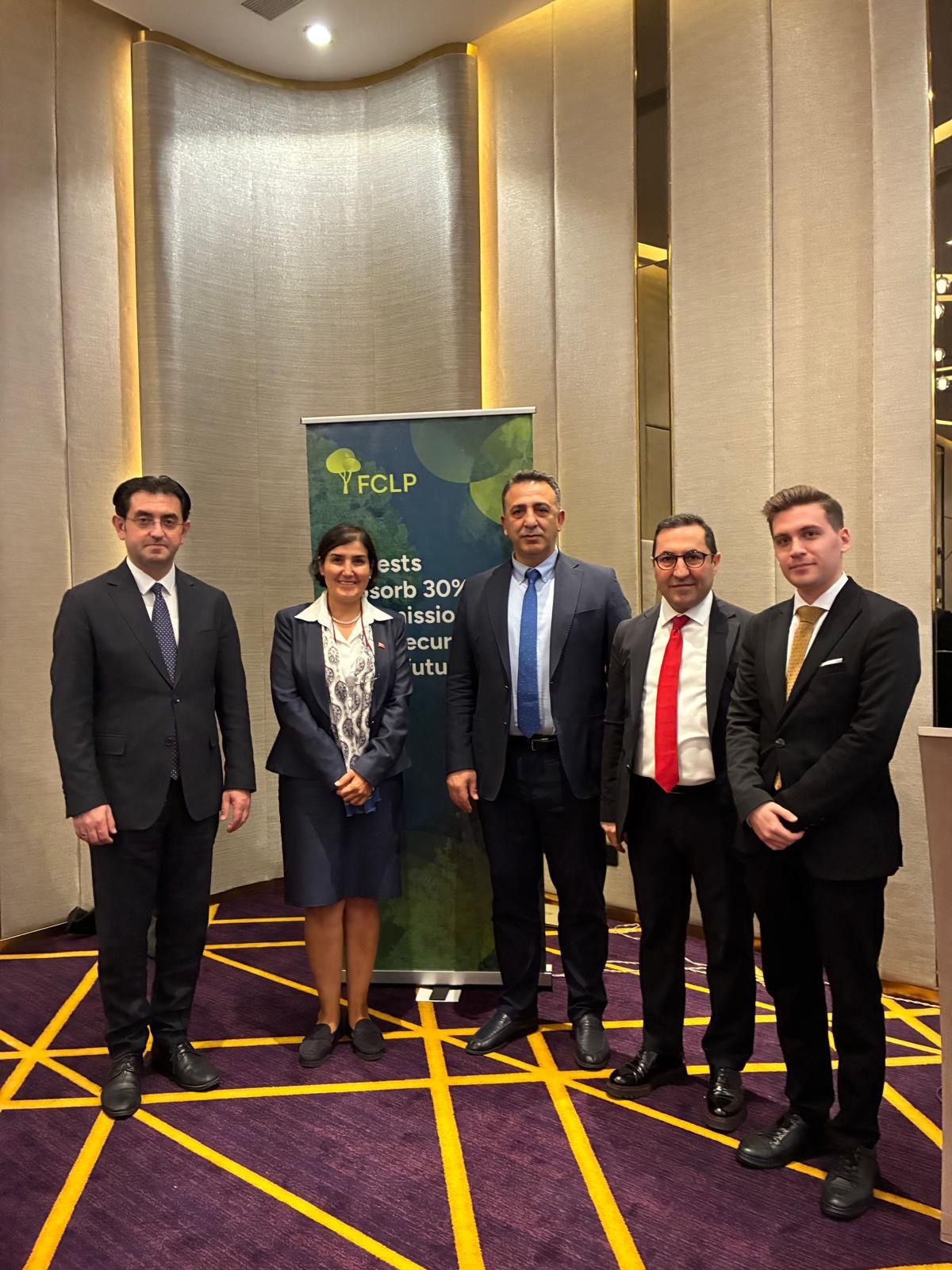
Prof. Halil Hasar, Director of Climate Change, attended the high-level meeting of the ‘Forest and Climate Leaders’ Partnership’ (FCLP) held in Kenya.
04 March 2026
Prof. Halil Hasar, Director of Climate Change, attended the high-level meeting of the ‘Forest and Climate Leaders’ Partnership’ (FCLP) held in Kenya. Bringing together 37 nations and the European Union with the shared goal of halting and reversing forest loss, the summit serves as a platform to define a new global roadmap in the fight against the climate crisis. Addressing the FCLP members, Director Hasar noted that while the roadmap for ending deforestation and forest degradation was established at COP30, the focus must now shift toward execution. “Our objective is to translate this political commitment into measurable, trackable, and tangible real-world outcomes. Even as deforestation rates decline in certain regions, we are seeing an increase in forest degradation driven by climate-related impacts.” he said.
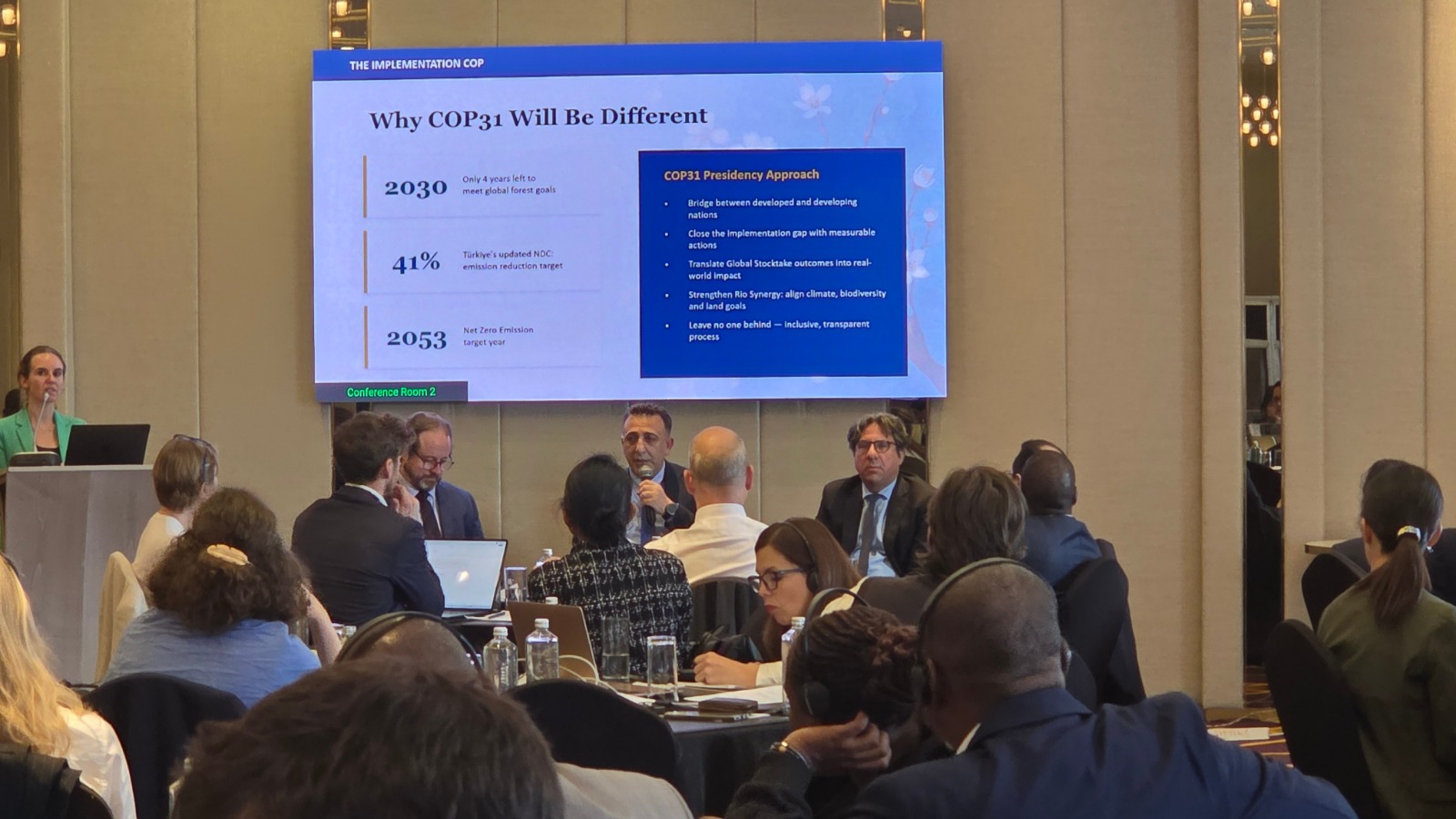
During the “Road to COP31 and Beyond” session at the All-Member Gathering in Nairobi, where Türkiye, Brazil, and Australia took the floor, Director Hasar spoke on behalf of Türkiye. He emphasized that Murat Kurum, Minister of Environment, Urbanization, and Climate Change and COP31 President, has defined the vision for COP31 as the “COP of the Future,” or more specifically, the “COP of Implementation.”
Some key excerpts from Director Hasar’s remarks are as follows:
“Even as deforestation rates decline in certain regions, we are seeing an increase in forest degradation driven by climate-related impacts.”
The commitments first articulated in Glasgow and subsequently enshrined in the Global Stocktake (GST) decision serve as a litmus test for our collective credibility. COP30 in Belém established the roadmap for halting and reversing deforestation and forest degradation; our objective now is to translate this political ambition into measurable, trackable, and tangible real-world outcomes. This mission is inextricably linked to the 1.5°C goal, biodiversity conservation, sustainable development, and rural livelihoods. Even as deforestation rates decline in certain regions, we are seeing an increase in forest degradation driven by climate-related impacts.
“We place immense value on strengthening ties with nations active in forest and climate leadership.”
Forest-based projects are often sidelined as “high-risk and low-return.” To unlock the necessary capital, we require a comprehensive “solution basket” that integrates grants, concessional finance, blended instruments, and results-based payments alongside carbon market mechanisms. Specifically, forest-based mitigation under Article 6 can catalyze performance-based financing. However, institutional capacity remains a hurdle; robust legal frameworks must be matched by effective execution. Furthermore, as global markets shift toward deforestation-free supply chains, we must ensure smallholders are not marginalized. Access to certification, finance, and digital traceability tools will be the deciding factors in making this transition both equitable and effective. Strategic partnerships are also paramount. In this regard, we place immense value on strengthening ties with nations active in forest and climate leadership. The Forest and Climate Leaders’ Partnership (FCLP) provides the essential platform to bridge the gap between finance, policy, and technical capacity, effectively turning political leadership into operational cooperation.
“Climate change has exacerbated wildfire risks across numerous regions”
Climate change has exacerbated wildfire risks across numerous regions. Türkiye has made significant investments in both prevention and response,
utilizing UAV technologies for early detection and rapid intervention. Crucially, our constitutional framework mandates the reforestation of all burned forest areas. We aim to institutionalize these efforts through a 'Climate Action Implementation Mechanism' that aligns NDCs and National Adaptation Plans (NAP), treating forests as vital carbon sinks and adaptation assets. Integrating forests into these processes is essential to accelerating afforestation and curbing deforestation. COP31 will champion a stronger synergy between the three Rio Conventions—addressing climate change, biodiversity, and desertification in unison.
The climatic impacts of wildfires, droughts, and floods are intensifying across vulnerable regions. We will actively promote targeted resilience partnerships specifically designed for the Mediterranean, Pacific, and African regions. Through our Sustainable and Resilient Cities portfolio, we intend to weave nature-based solutions into the fabric of urban planning, bridging the gap between urban and rural landscapes.
Forests offer a multifaceted dividend: they slash emissions, bolster adaptation and resilience, safeguard biodiversity, combat desertification, and sustain livelihoods. Forests stand at the very intersection of the climate, biodiversity, and land degradation agendas. While fragmented approaches only hinder our progress, integrated implementation will accelerate it. As we march toward COP31 in Antalya, our vision and approach across all pillars—including forests—remain resolute.
Following the session, Director Hasar and the accompanying delegation paid a visit to Subutay Yüksel, the Turkish Ambassador to Kenya in Nairobi.