


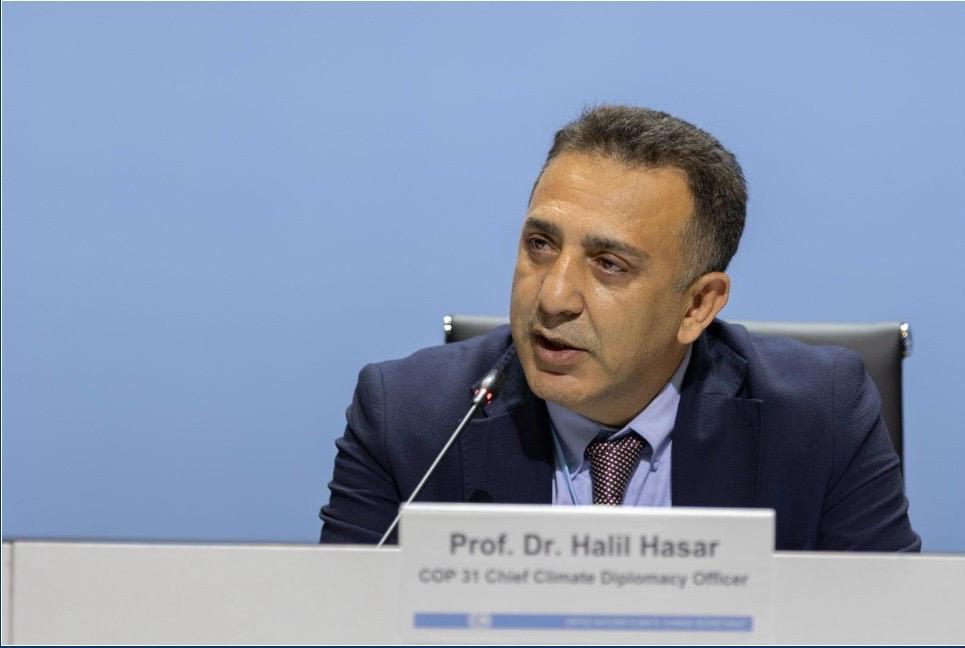
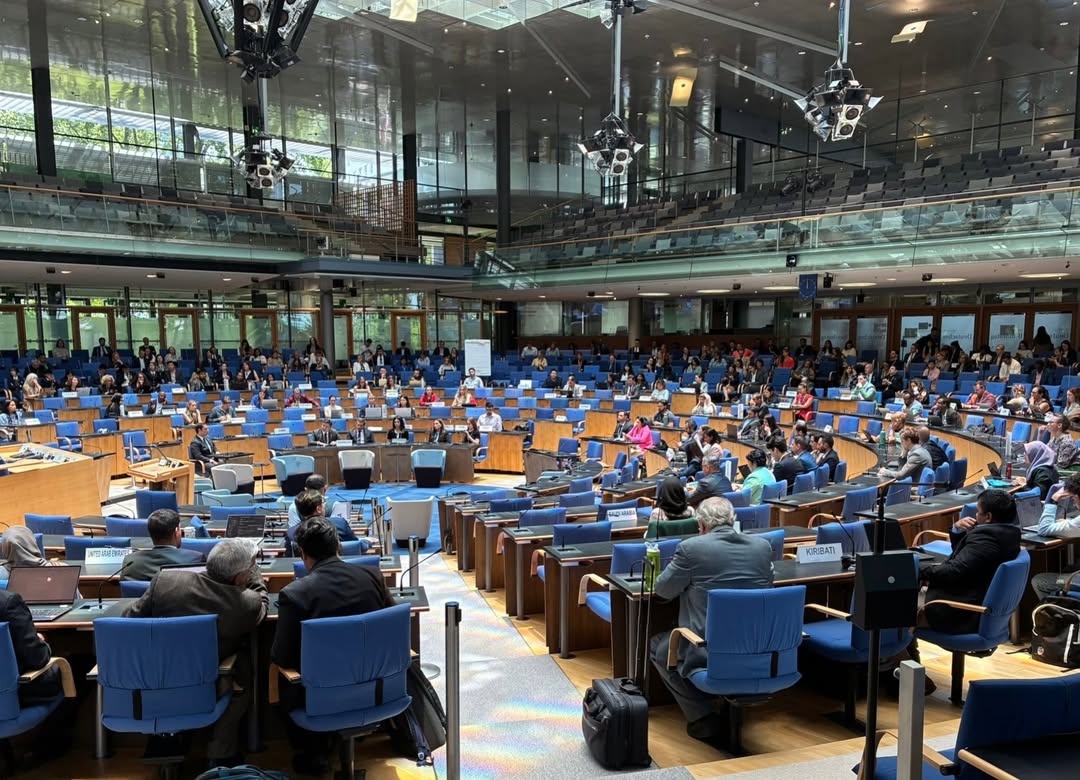
Prof. Halil Hasar, Director of Climate Change and COP31 Chief Climate Diplomacy Officer, co-chaired the Open-Ended Consultations on COP31 Vision and Priorities alongside Australia’s Chief Negotiator Dr. Sally Box.
17 June 2026
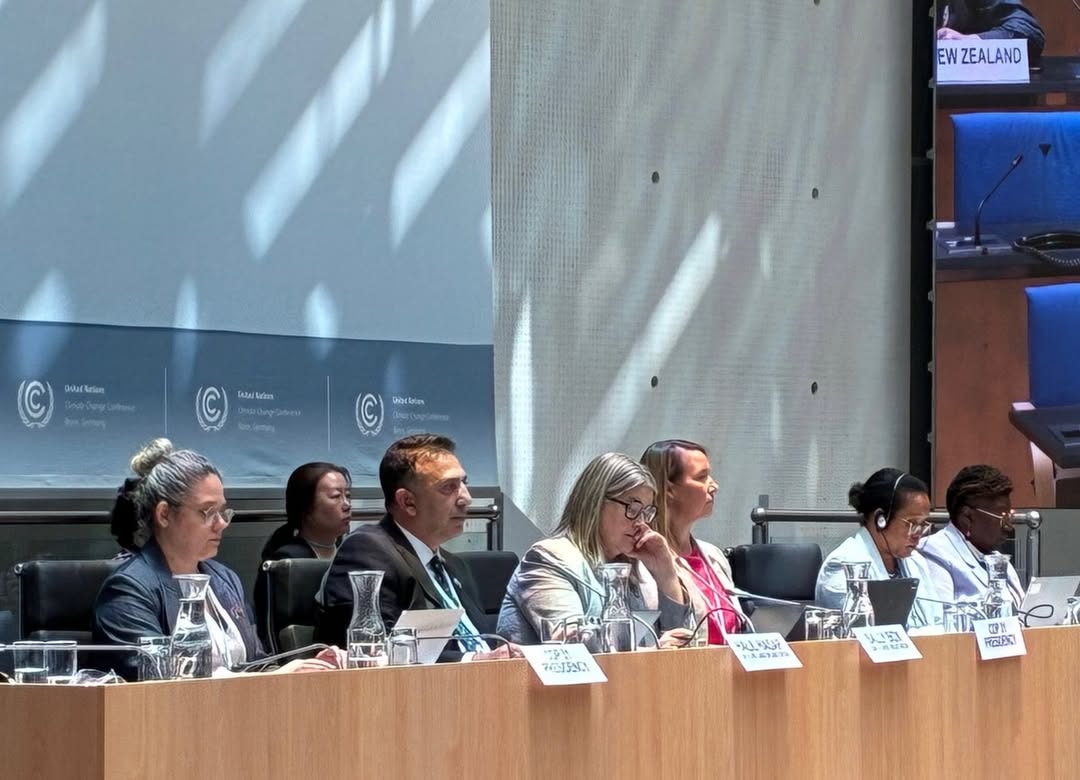
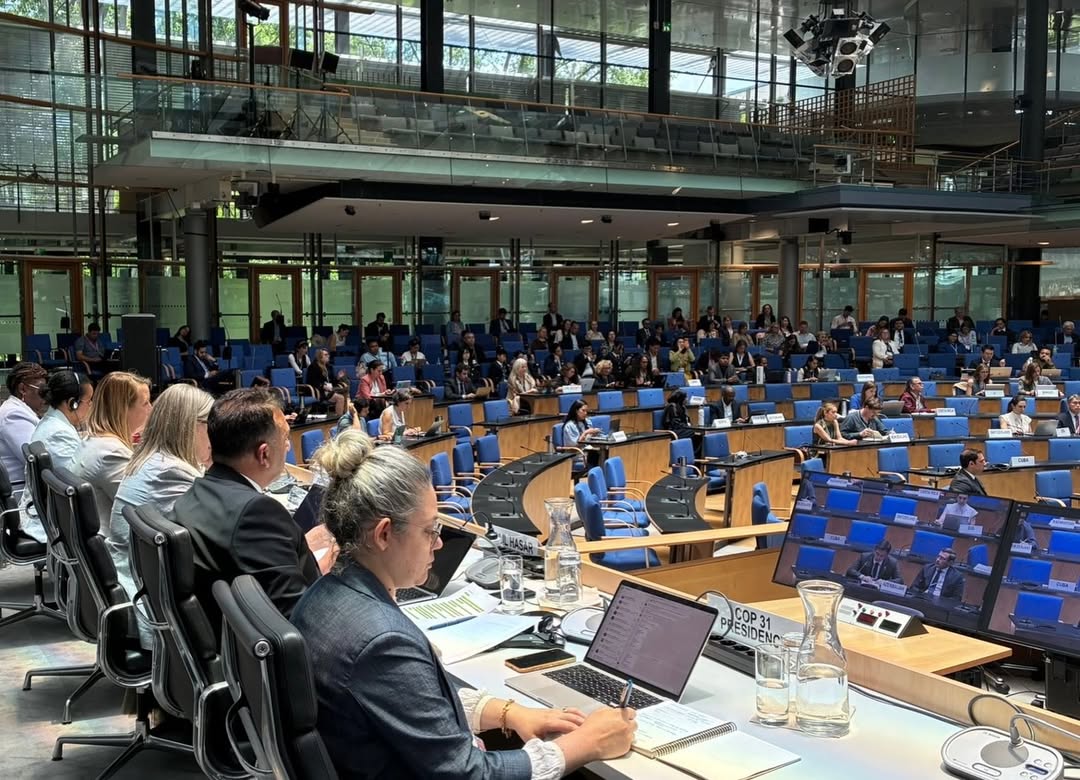
Prof. Halil Hasar, Director of Climate Change and COP31 Chief Climate Diplomacy Officer, co-chaired the Open-Ended Consultations on COP31 Vision and Priorities, held as part of the Bonn Climate Change Conference, alongside Australia’s Chief Negotiator Dr. Sally Box.
In his opening remarks, Director Hasar noted that COP31 comes at a time of numerous global and environmental challenges, reinforcing the value of multilateralism for countries while underscoring the enduring importance of cooperation and collective effort. Pointing out that COP31 will take place against the backdrop of a world where people are increasingly exposed to extreme weather events and pushed further into food insecurity and poverty, Director Hasar stated, “All of this underscores the urgency of accelerating the energy transition, defending multilateralism, decisively moving into the implementation phase, and keeping the 1.5°C target within reach.”
Key highlights from Director Hasar’s remarks are as follows:
“Our vision aims to translate climate commitments into concrete actions”
“If we are to preserve the trust built over the years, it is essential not only to safeguard the process itself but also to fulfill the commitments and obligations we have collectively undertaken. With this understanding, the COP31 Presidency has built its approach on three core pillars: dialogue, consensus, and action. Thanks to our unique partnership with Australia, we are moving forward with confidence on the path to Antalya. Our vision for an implementation-oriented 'COP of the Future' aims to translate climate commitments into concrete actions, and those actions into measurable results.
COP31 President Murat Kurum Announced the Action Agenda
Our Minister and COP31 President, Mr. Murat Kurum, announced the priorities and themes of our Action Agenda—a holistic roadmap built on listening to all perspectives. At its heart lies a pioneering target: '35 by 2035,' which aims to increase the share of electricity in final energy demand from its current level of just over 20 percent to 35 percent by 2035. In addition, as part of our zero-waste priority, we aim to halve the global rate of waste growth by 2035. Through our Resilient Cities initiatives, we also aim to reduce the energy intensity of the building sector by at least 25% by 2035. Furthermore, we are developing initiatives on food security, circular materials in manufacturing, and climate education, supported by specialized analyses from the International Energy Agency (IEA) and the International Renewable Energy Agency (IRENA). Since then, we have received invaluable feedback from delegations. Important questions have been raised, and we will continue to provide further clarity where needed. The primary reason the COP31 Presidency chose to present the Action Agenda at such an early stage is to ensure the engagement of all stakeholders, to collectively enrich the themes, and to infuse the Action Agenda with the same collaborative spirit that guides the negotiations. As we advance the Global Climate Action Agenda inherited from COP30, we continue to work closely with the COP30 Presidency and the Secretariat to ensure this agenda evolves hand-in-hand with COP31’s unique dynamics and priorities. The Global Climate Action Agenda is already structured to support the implementation of the Global Stocktake outcomes, and this approach will continue at COP31. All our priorities are aligned with this objective and the overarching framework of the Global Stocktake. They align with concrete steps inspired by the Global Stocktake itself, encouraging both Parties and non-Party stakeholders to take action, invest, and advance international cooperation.
“The outcomes of Bonn will serve as a major milestone on the road to Antalya”
We have consistently emphasized that the Action Agenda is meant to complement the negotiation process, not replace it. At the same time, we are exploring areas where we believe momentum is building and where collective action can yield meaningful progress. Without losing sight of the party-driven nature of the COP31 process, we remain committed to keeping everyone engaged to collectively discuss the challenges, opportunities, gaps, and solutions ahead. In Bonn, we held extensive discussions with groups and parties at the ministerial and chief negotiator levels to advance this dialogue. We also witnessed a constructive atmosphere during the Global Implementation Accelerator and the Belém Mission to 1.5 consultations, listening intently to your views. The outcomes of Bonn will serve as a major milestone on the road to Antalya. Following his opening remarks, Director Hasar shared the priorities of the Action Agenda in line with the COP31 Presidency's vision, concluding: “We will resolutely continue to strengthen our cooperation with all stakeholders through an inclusive, solution-driven, and results-oriented approach to climate diplomacy.”