


-
17 February 2025
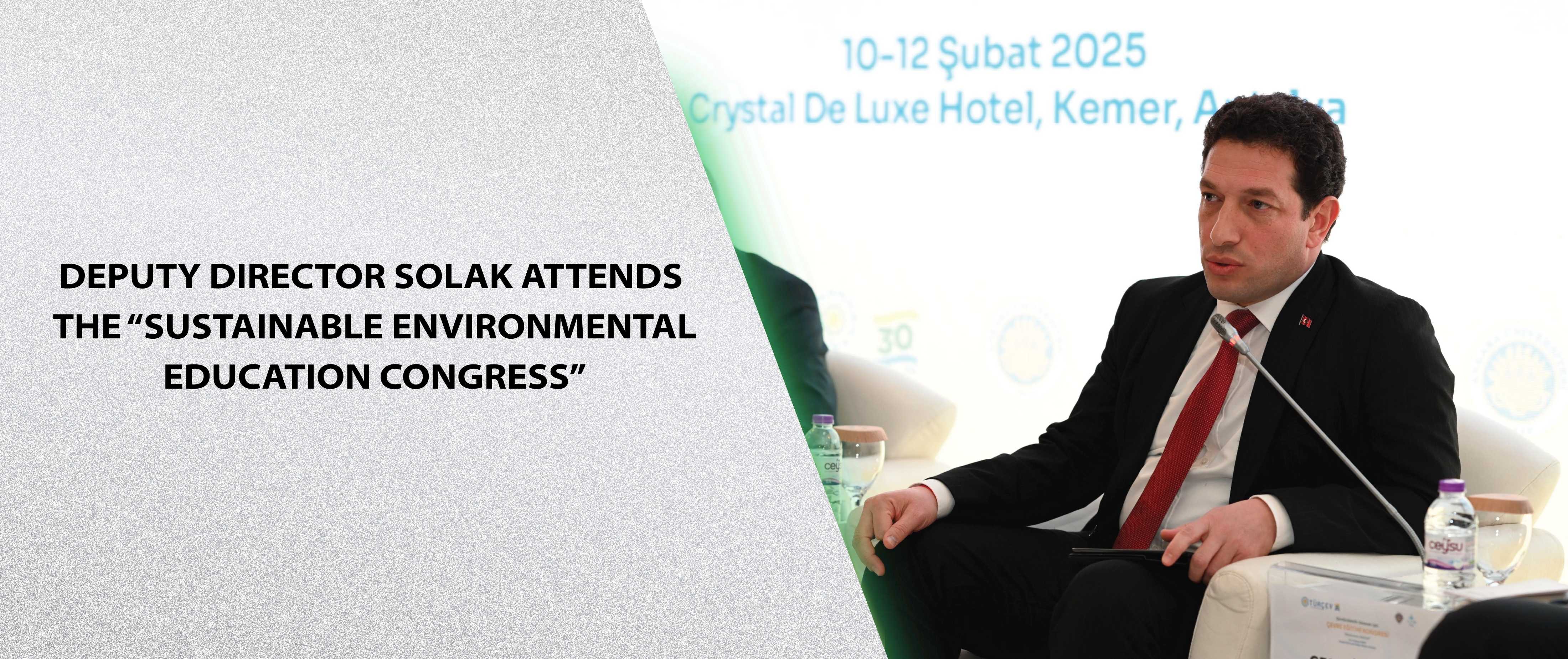
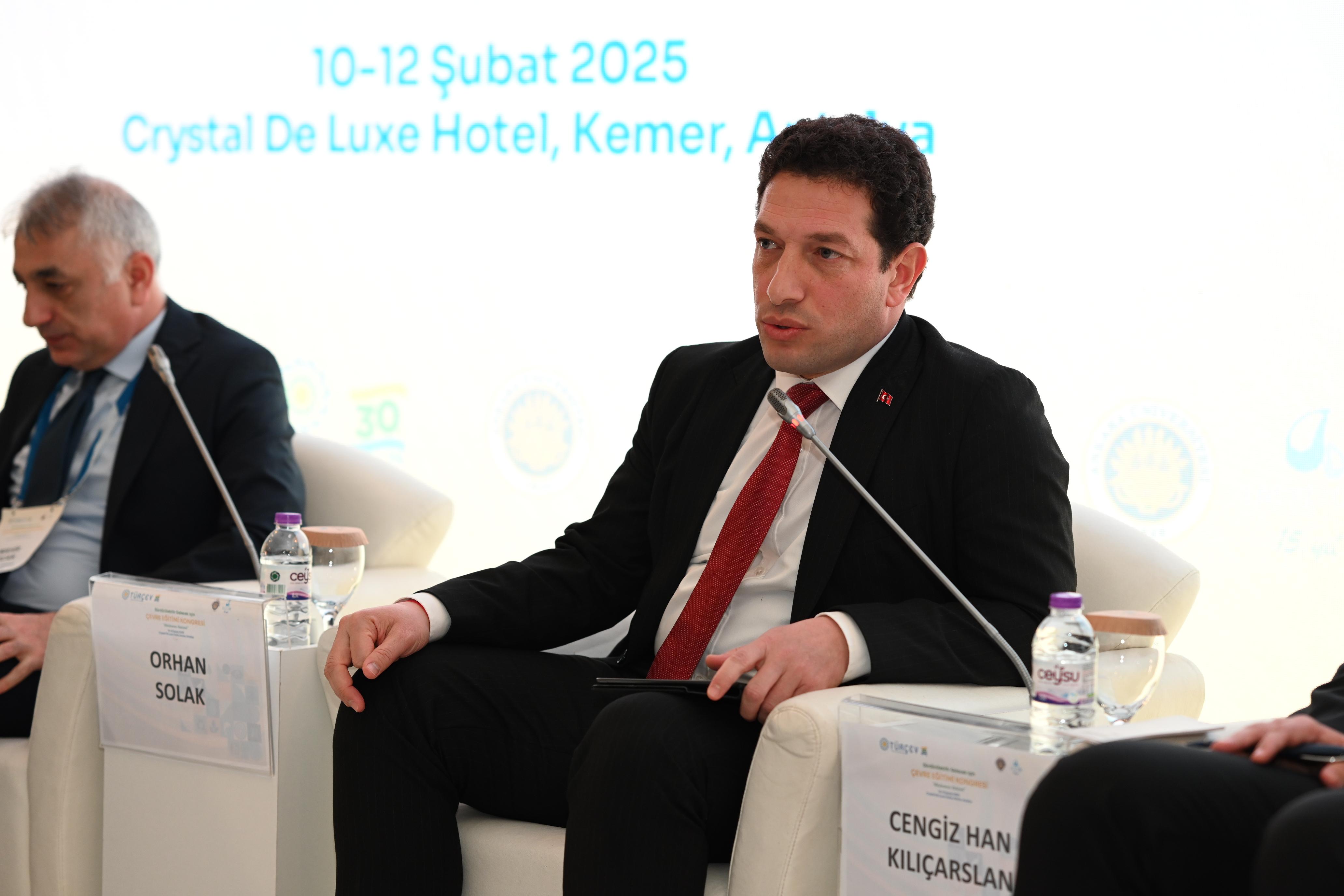
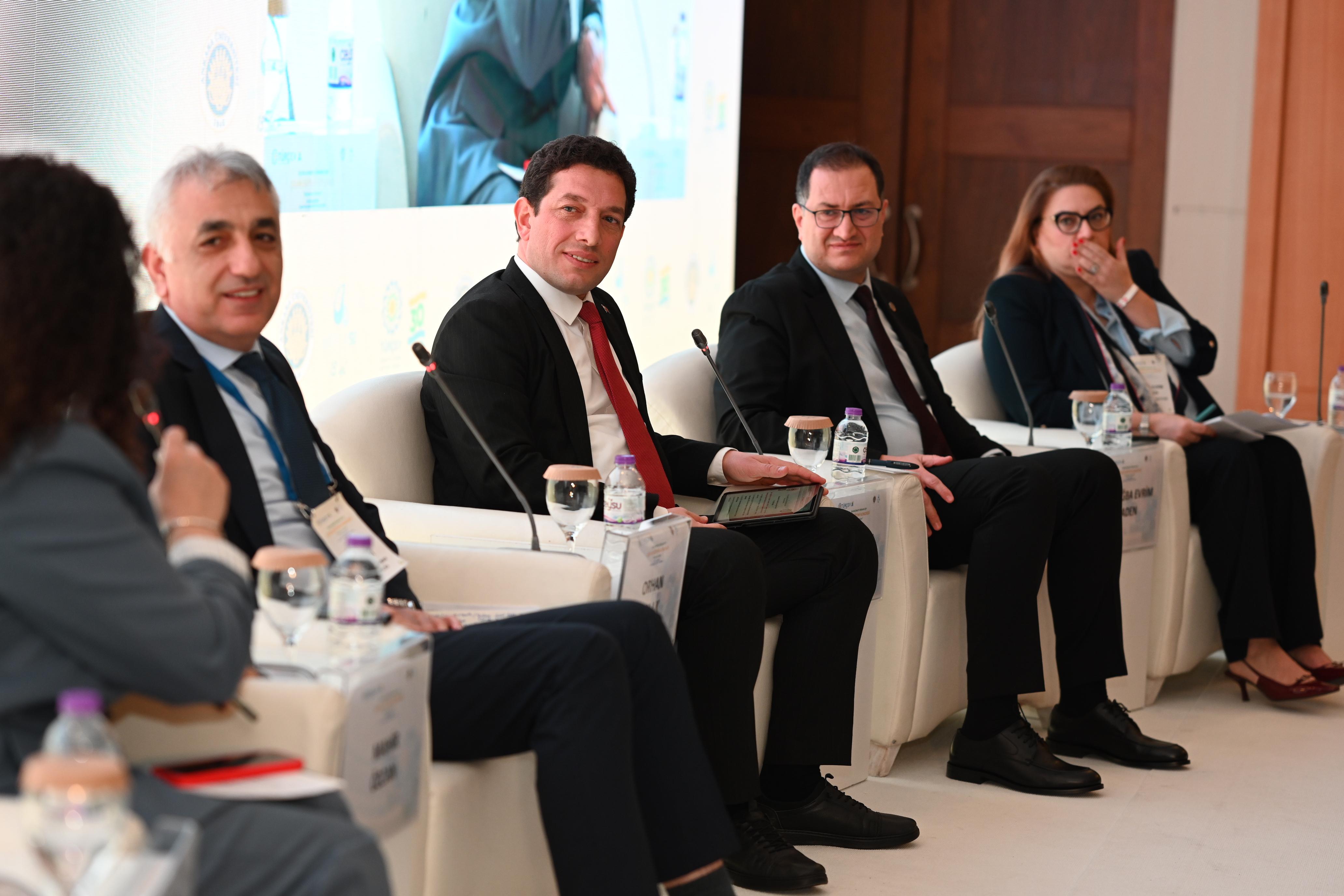
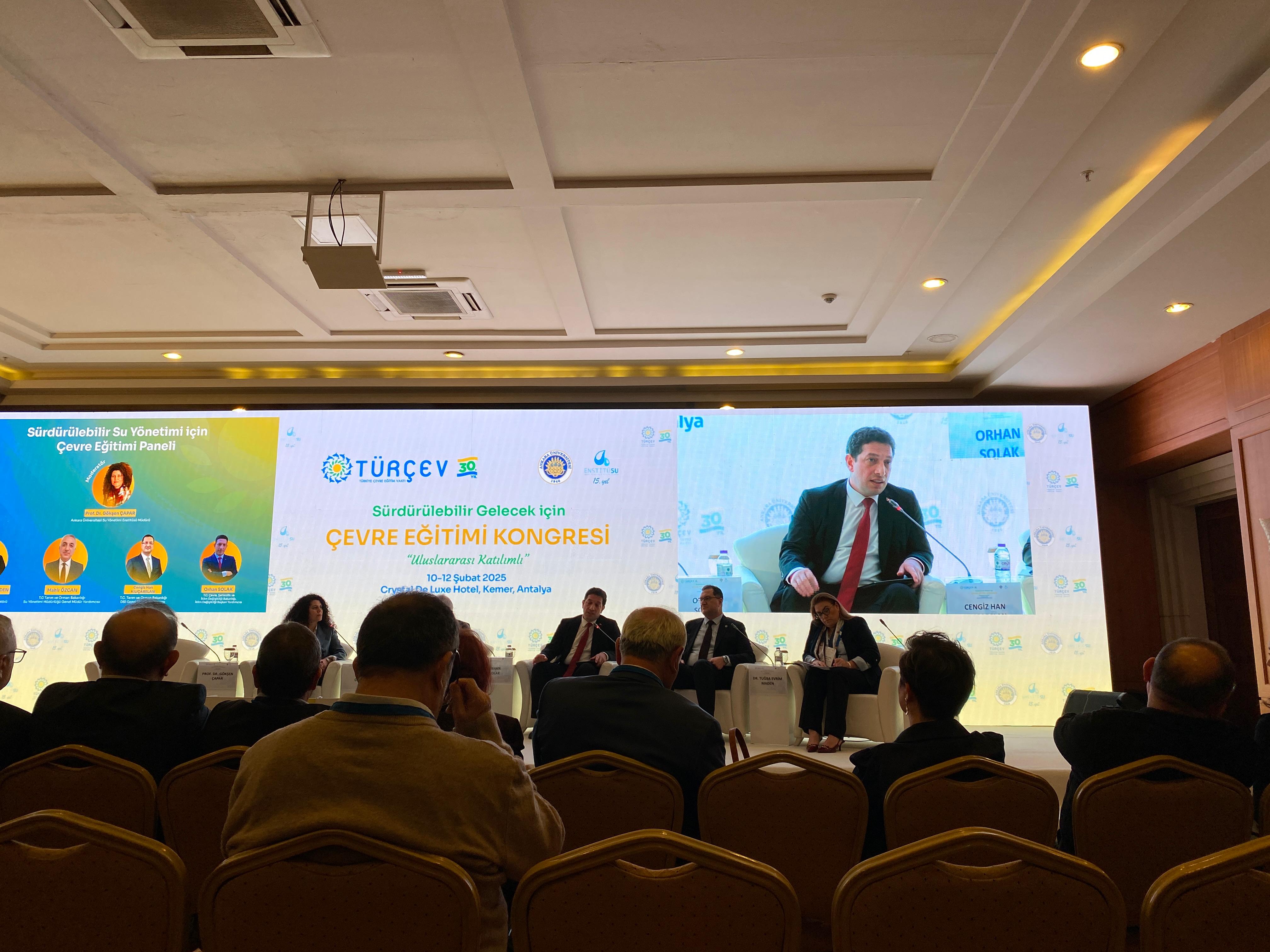
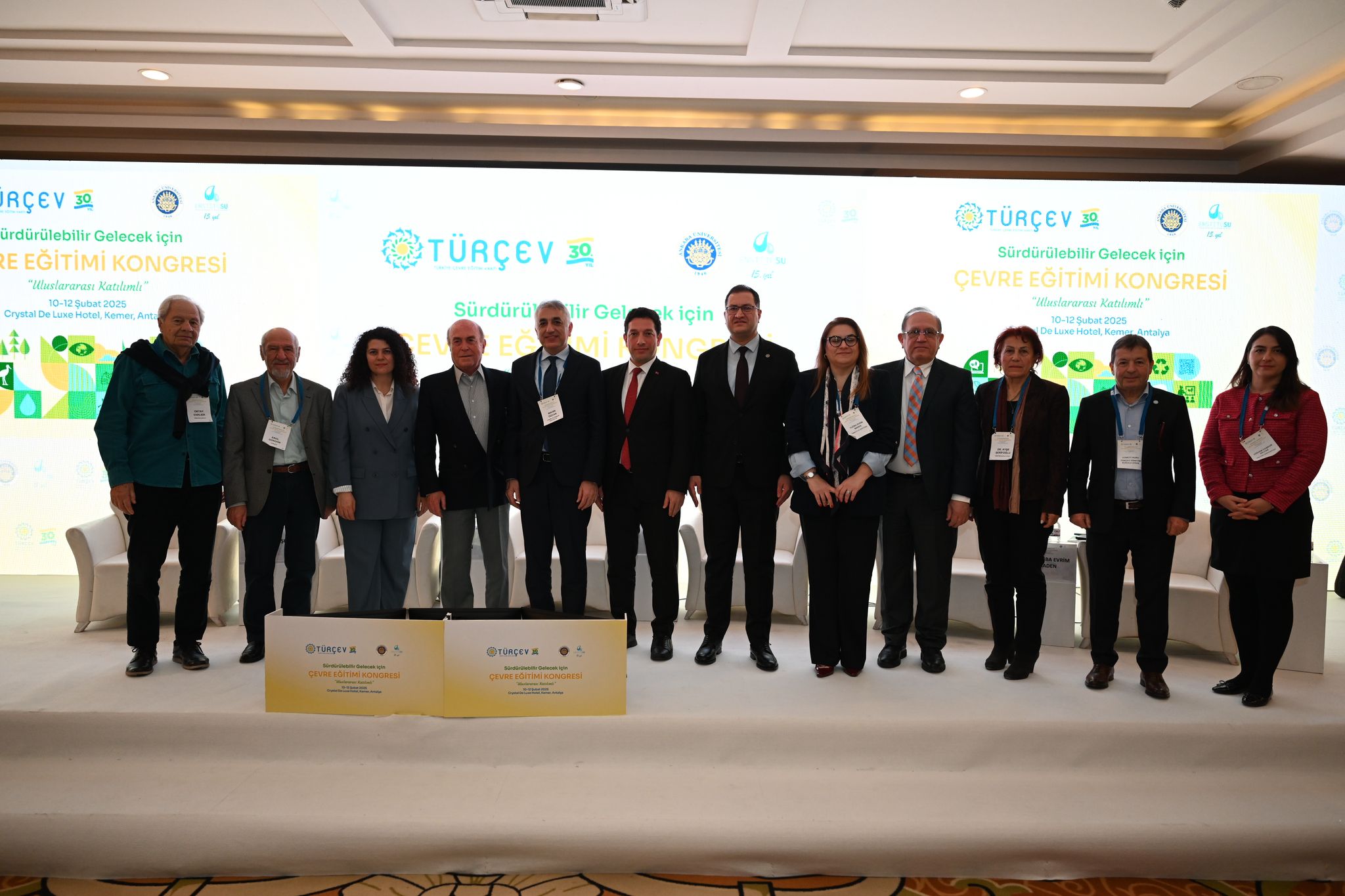
“The Sustainable Environmental Education Congress” was held in Antalya by Ankara University, the Turkish Environmental Education Foundation, and the Water Institute.
The opening address of the congress, which brought together a broad range of stakeholder institutions, was delivered by Deputy Director of Climate Change Orhan Solak. Noting that the impacts of climate change are becoming increasingly evident both globally and in Türkiye, Solak emphasized that, according to data from the World Meteorological Organization, 2024 was recorded as the warmest year to date, with global temperatures standing 1.55°C above the pre-industrial period.
In his remarks, Solak stated, “2024 was the first year in which the global average temperature exceeded the pre-industrial level by 1.5°C. The Mediterranean Basin, where our country is located, is among the regions most severely affected by climate change. By the end of the 21st century, droughts in the Mediterranean Basin are projected to last two to three times longer than the global average. Scientific studies also indicate that Beyşehir Lake, the largest freshwater lake in Türkiye, could completely dry up by 2070. In this context, Türkiye is among the countries considered to be in the risk group in terms of the potential impacts of global climate change.”
Continuing his remarks, Solak noted that, according to the United Nations’ 2023 “World Water Report”, 40 percent of the world’s population is currently at risk of water scarcity, a figure expected to rise to 50 percent by 2050, adding that urbanization, population growth, and water pollution are also major factors intensifying water stress.
Stating that the 2024–2030 Climate Change Adaptation Strategy and Action Plan prepared by the Directorate of Climate Change defines the necessary targets and actions for the protection and sustainable management of water resources, Solak concluded by emphasizing that, given the impacts of climate change on water resources, environmental education should be structured in a disciplined and practice-oriented manner, and that universities could cooperate in areas such as artificial intelligence- and big-data-based projects for R&D as well as water quality monitoring and forecasting systems, while academic studies may also be supported through TÜBİTAK, European Union funds, and other international funding mechanisms.
The congress, which was attended by administrators and experts from the Directorate of Climate Change as well as representatives of various institutions and organizations, concluded with a Q&A session.