


The Technology Roadmap Working Group on “Carbon Capture, Utilization and Storage”, established by the Presidential Science, Technology and Innovation Policy Council, held its first meeting.
20 February 2025
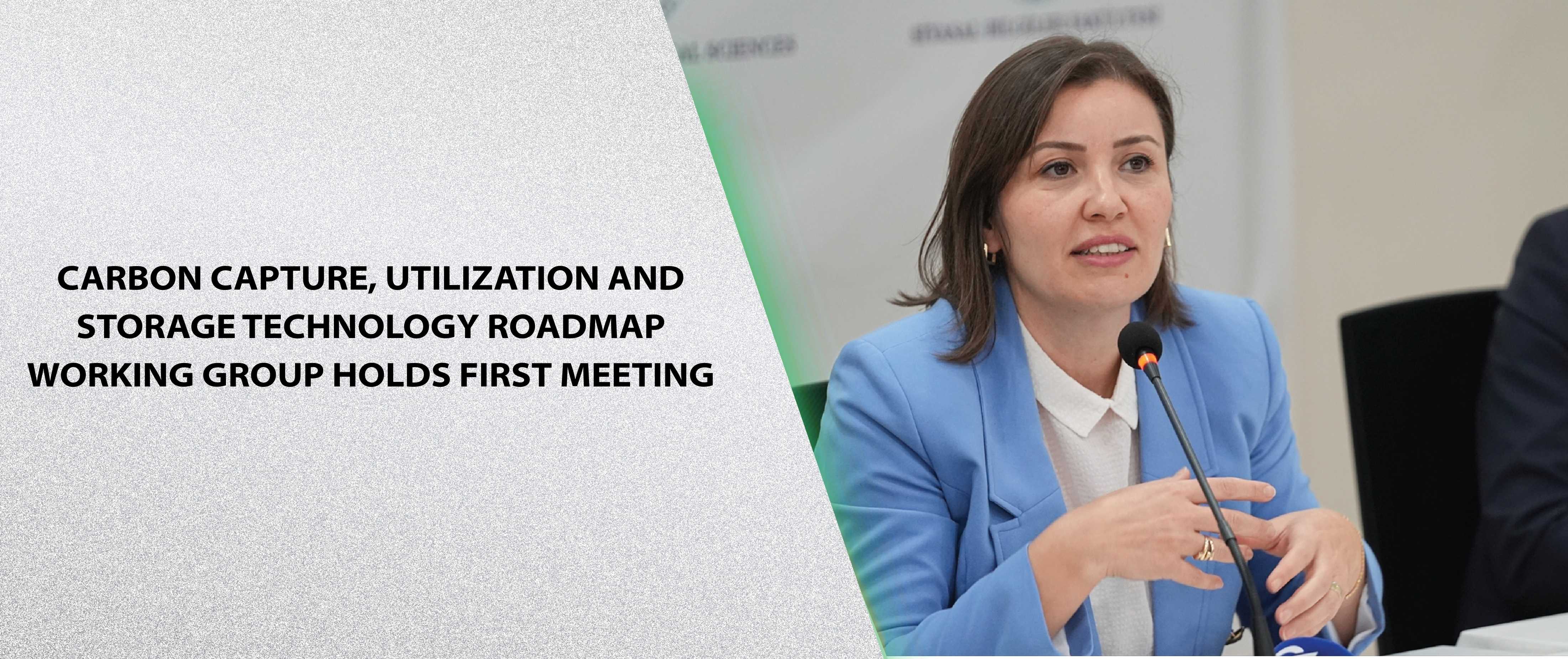
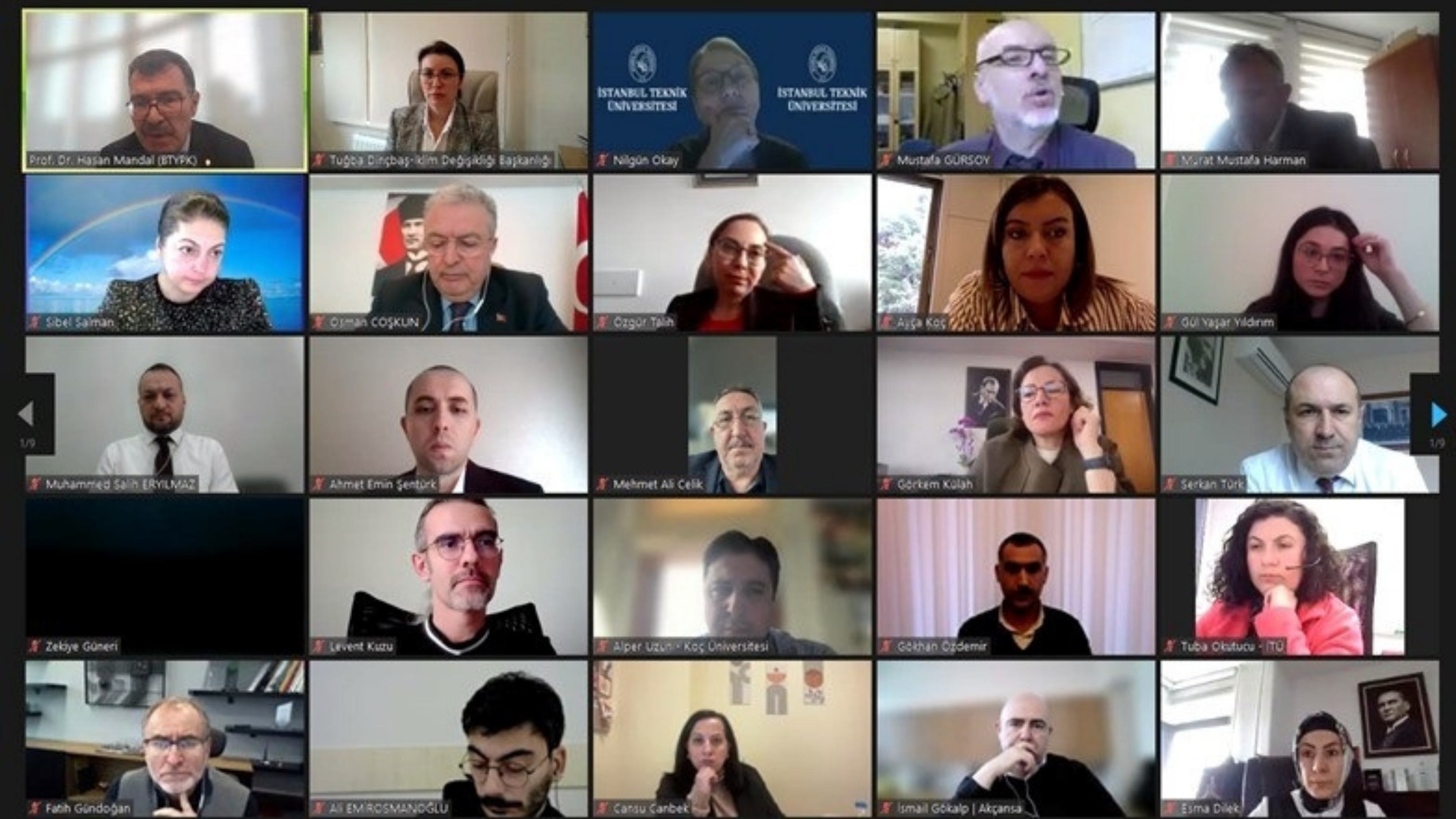
The Technology Roadmap Working Group on “Carbon Capture, Utilization and Storage”, established by the Presidential Science, Technology and Innovation Policy Council, held its first meeting. The meeting, which brought together more than 200 participants, was attended by Acting Council Chair Prof. Hasan Mandal, council members, and Deputy Director of Climate Change Dr. Tuğba Dinçbaş.
Held online, the meeting featured a presentation by Prof. Hasan Mandal on the activities of the Science, Technology and Innovation Policy Council. Participants underlined that, in light of global risk assessments and the growing need for solution-oriented approaches, issues such as combating climate change, natural disasters, extreme weather events, and biodiversity loss have become critically important.
The meeting also highlighted the importance of adopting a “Breakthrough Strategic Approach” that prioritizes R&D- and innovation-driven socio-economic benefits and, rather than focusing on short-term fixes, identifies technological transformation areas to develop national technology policy proposals for the medium and long term. Discussions also addressed the need to identify breakthrough technology fields and to ensure coordination at the national level in line with the Net Zero Emissions Target.
Information was shared on the target years set by various countries in line with carbon neutrality goals, emphasizing that R&D and technology policies must be shaped in line with the European Union’s 2050, China’s 2060, and Türkiye’s 2053 net zero emission targets. In this context, participants stressed the need to assess international best practices and to shape Türkiye’s strategies accordingly.
The meeting also provided information on policy reports related to critical technology areas prepared by the “Desalination and Water Reuse Group”, to which the Directorate of Climate Change contributes as a member. The Directorate of Climate Change will continue to contribute its knowledge and experience to the process by participating in the Carbon Capture, Utilization and Storage Technology Roadmap Working Group, which is scheduled to be completed in the coming months.
Under the 2024–2030 Climate Change Mitigation Strategy and Action Plan, which serves as the implementation instrument of Türkiye’s Nationally Determined Contribution (NDC), the deployment of carbon capture, utilization and storage (CCUS) technologies in the energy sector stands out as a critical strategy for reducing unavoidable greenhouse gas emissions. In this framework, while the expansion of low-carbon generation technologies aimed at reducing carbon intensity in electricity production is targeted, the development of a roadmap for integrating CCUS technologies into this process is also included as a strategic priority of the Directorate of Climate Change. Furthermore, in Türkiye’s Long-Term Climate Strategy, Carbon Capture, Utilization and Storage has been defined as a strategic priority under the manufacturing industry and technology development headings.
Considered one of the most effective ways to reduce emissions, particularly in the cement and steel sectors, CCUS will be deployed in applicable sectors in line with technological developments. The widespread deployment of CCUS, especially in the cement sector from the 2040s onward, is expected to lead to a significant reduction in emissions. Meanwhile, preparatory work is ongoing under IPA III for the “Project on Developing the Legislative Framework for Carbon Capture and Storage (CCS)” in order to align with the European Union Carbon Capture and Storage Directive (2009/31/EC). This legislation falls under Chapter 27 on Environment in the EU accession negotiations, and, in addition, under the European Union Integrated Environmental Approximation Strategy published in 2016 with the approval of all relevant institutions, responsibility for harmonizing this legislation lies with the Ministry of Environment, Urbanization and Climate Change.
These meetings, during which the steps to be taken to achieve the 2053 Net Zero Emissions Target will be detailed, are expected to pave the way for defining critical strategies on carbon capture and storage technologies.